Feeling Queasy? How the PFC3 Method Can Be a Game-Changer for Pregnancy Nausea
Let's be real, pregnancy nausea is no joke. Whether it hits you first thing in the morning, at 2pm for absolutely no reason, or (lucky you!) all day long, that persistent wave of queasiness can make eating feel like the last thing you want to do. And yet, here's the cruel irony: what and how you eat can actually make a huge difference in how you feel.
Enter the PFC3 Method: a simple, balanced eating strategy that just might become your new best friend during pregnancy.
So, What Is the PFC3 Method?
PFC3 stands for Protein, Fat, and Carbohydrates every three hours, as we know by now. At every meal or snack, you pair all three macronutrients together into 5-6 meals throughout the day. Think of it as building a little nutrition trio that works together to keep your blood sugar steady, your energy level, and your nausea more manageable.
The Nausea-Blood Sugar Connection
A lot of pregnancy nausea is closely linked to blood sugar dips. When your blood sugar drops, which happens quickly when you eat simple carbs alone, skip meals, or go too long without eating, nausea often rises. Once you’re nauseous, it’s often harder to eat, which can cause a vicious cycle.
The PFC3 method tackles this head-on. By combining protein, fat, and carbohydrates at each meal, you slow down digestion and create a much more gradual, stable rise and fall in blood sugar. No dramatic spikes, no crashing lows, and ideally, a lot less nausea.

Breaking It Down: What Does PFC3 During Pregnancy Actually Look Like?
Protein
Protein is the anchor of the PFC3 method. It digests slowly, helps stabilize blood sugar, and supports your baby's growth. During pregnancy, aim for complete proteins that contain all essential amino acids. Great options include:
- Eggs (scrambled, hard-boiled, whatever sounds tolerable!)
- Greek yogurt
- Chicken or turkey
- Fish (low-mercury options like salmon or cod)
- Cottage cheese
- Tofu or tempeh
Even if the thought of a full chicken breast makes your stomach turn, a few bites of egg or a small scoop of yogurt count, especially during the first trimester when appetite can be all over the place.
Fat
Fat often gets a bad reputation, but healthy fats are absolutely essential during pregnancy for your baby's brain development and for keeping you feeling fuller and more settled. Fat also slows gastric emptying, which helps prevent those blood sugar rollercoasters. Good fat sources include:
- Avocado
- Nuts and nut butters (almond butter on a cracker? Yes, please!)
- Olive oil
- Full-fat dairy
- Fatty fish
- Seeds (chia, flax, hemp)
Carbohydrates
Carbs are not the enemy! They're actually your body's preferred fuel source and are especially important when you're growing a baby. The key is choosing complex carbohydrates that digest more slowly and pair them with protein and fat so they don't spike your blood sugar on their own. You can try:
- Whole grain crackers or toast
- Oatmeal
- Brown rice or quinoa
- Sweet potato
- Fruit (yes, fruit counts!)
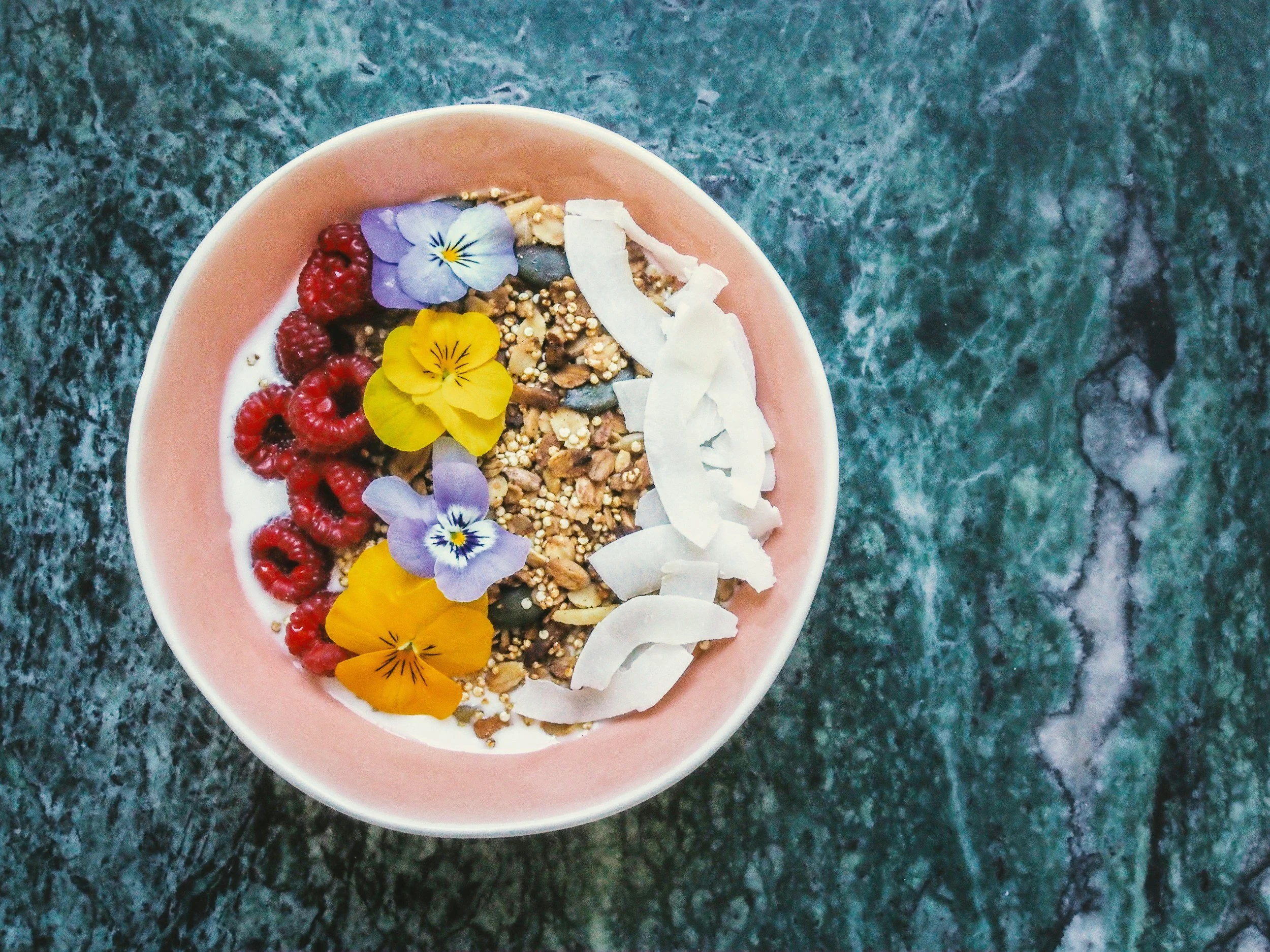
PFC3 in Action: Easy Pregnancy-Friendly Combos
Not sure where to start? Here are some gentle, easy-to-stomach PFC3 combos that work well even when nausea is at its peak:
- Apple slices + hard-boiled eggs + almond butter + a few crackers — sweet, satisfying, and easy on the stomach
- Oatmeal with chia seeds + hemp seeds + a swirl of almond butter — warm, comforting, and surprisingly filling
- Whole grain crackers + cheese + a few grapes — the classic snack plate, elevated
- Scrambled eggs on whole grain toast + half an avocado — a classic for a reason
- Greek yogurt + berries + a drizzle of honey — cold, creamy, and gentle on a queasy tummy
The key is keeping portions small, especially if nausea is severe. You don't need a full plate! Even a few bites of a balanced combo can help stabilize your blood sugar and take the edge off.
Tips for Making PFC3 Work When You're Nauseated
Let's be honest: when you're feeling sick, the last thing you want is nutrition advice that sounds complicated. So here's how to keep it practical:
Eat small, eat often. An empty stomach is nausea's best friend. Try eating a PFC3 meal every 3 hours, even if it's just a few bites. Some people find it helpful to keep some easy snacks on the nightstand and eat a bit before even getting out of bed in the morning.
Keep it cold or at room temperature. Hot foods tend to have stronger smells, which can trigger nausea. Cold or room-temperature options like yogurt, cheese, or fruit are often much more tolerable.
Don't force it. If a particular food makes you gag, skip it entirely. There are plenty of foods that will set you off, and then there are plenty that you’ll crave and want to eat every day. Find what works for you right now, even if it's not the most exciting lineup.
Prep in advance. On a good day, portion out some safe combos of meal options so they're ready to grab on a bad one. Having a bag of trail mix, pre-cut fruit, and hard-boiled eggs on hand in the fridge ready to go can be a lifesaver.
Stay hydrated. Drinking fluids with meals can sometimes worsen nausea. Try sipping water, ginger tea, or electrolyte drinks between meals rather than with them.
A Little Grace Goes a Long Way
Growing a baby is one of the most demanding things a body can do, and nausea is a sign that things are happening, even when it doesn't feel that way. The PFC3 method isn't about perfection. It's about giving your body the best possible tools to feel more stable, more nourished, and maybe just a little less miserable.
If you can manage a balanced trio at one meal today, that's a win. If you manage it at every meal, amazing. And if today is a crackers-and-ginger-ale day? That's okay too. You're doing great, because you’re listening to your body. That’s the goal, isn’t it?