The PFC3 Method: Your Cheat Code for Keeping Kids Fueled All Day Long
Let's be honest: the after-school hours are chaos. One minute your kid is walking through the door, the next minute they're melting down over something seemingly small and insignificant, and somewhere in between they've informed you they're "starving" for the third time since pick up. Sound familiar?
Here's the good news. A lot of that afternoon chaos isn't really about them being “difficult” or “trying to test your patience”. It's about blood sugar.
That's where the PFC3 Method comes in. Keeping your kids fueled with protein, carbs, and fats all day can help head off meltdowns after school and into the evening. Not to mention, by giving your kids the food they need to feel fueled and focused all day, they’ll feel more balanced when the afterschool monster rears it’s ugly head. Once you get the hang of it, it can genuinely be one of the easiest tricks in your parenting toolkit.
What Even Is PFC3?
PFC3 stands for Protein, Fat, Carbs, every three hours. The idea is simple: when you build meals around all three of those components instead of just carbs alone, you keep blood sugar steady instead of sending it on a roller coaster. Steady blood sugar means steady moods, steady energy, and a kid who can actually focus on homework instead of hangry-negotiating for whatever quick snack is easiest to convince you to give them.
The "every three hours" part matters just as much as the protein-fat-carb part. Kids have small stomachs and fast metabolisms, so long gaps between meals are exactly when things go sideways. Regular, balanced meals keep them running smoothly instead of running on empty.
Notice we're not calling anything PFC3 a "snack" here. Every single one of these is a meal; it’s just a smaller one. That mental shift matters, because it means every eating moment gets the same balanced treatment instead of turning into a free-for-all with whatever's in the pantry.
A Full Day of PFC3 in Action
Here's what that actually looks like on a school day, from wake-up to wind-down.
Meal 1
Start the day strong with scrambled eggs, a slice of whole-grain toast with butter, and some sliced strawberries. Eggs bring the protein and a good chunk of fat, the toast brings the complex carb, while the strawberries give a little energy boost right off, and the butter rounds out the fat side even more. Kids who eat a balanced breakfast tend to have steadier energy right through the mid-morning slump that usually hits everyone else.
Meal 2
Mid-morning is where a lot of kids start to fade if their first meal wasn't quite enough. A little Greek yogurt with berries and a drizzle of honey does the trick. Greek yogurt is a complete protein, the berries bring natural carbs and fiber, and a small handful of nuts or seeds on the side covers the fat. It's easy to pack, easy to eat fast, and keeps them steady until lunchtime. If this isn’t the easiest thing to send with your kiddo to school, try some cheese, whole-grain crackers, and nuts or avocado.
Meal 3
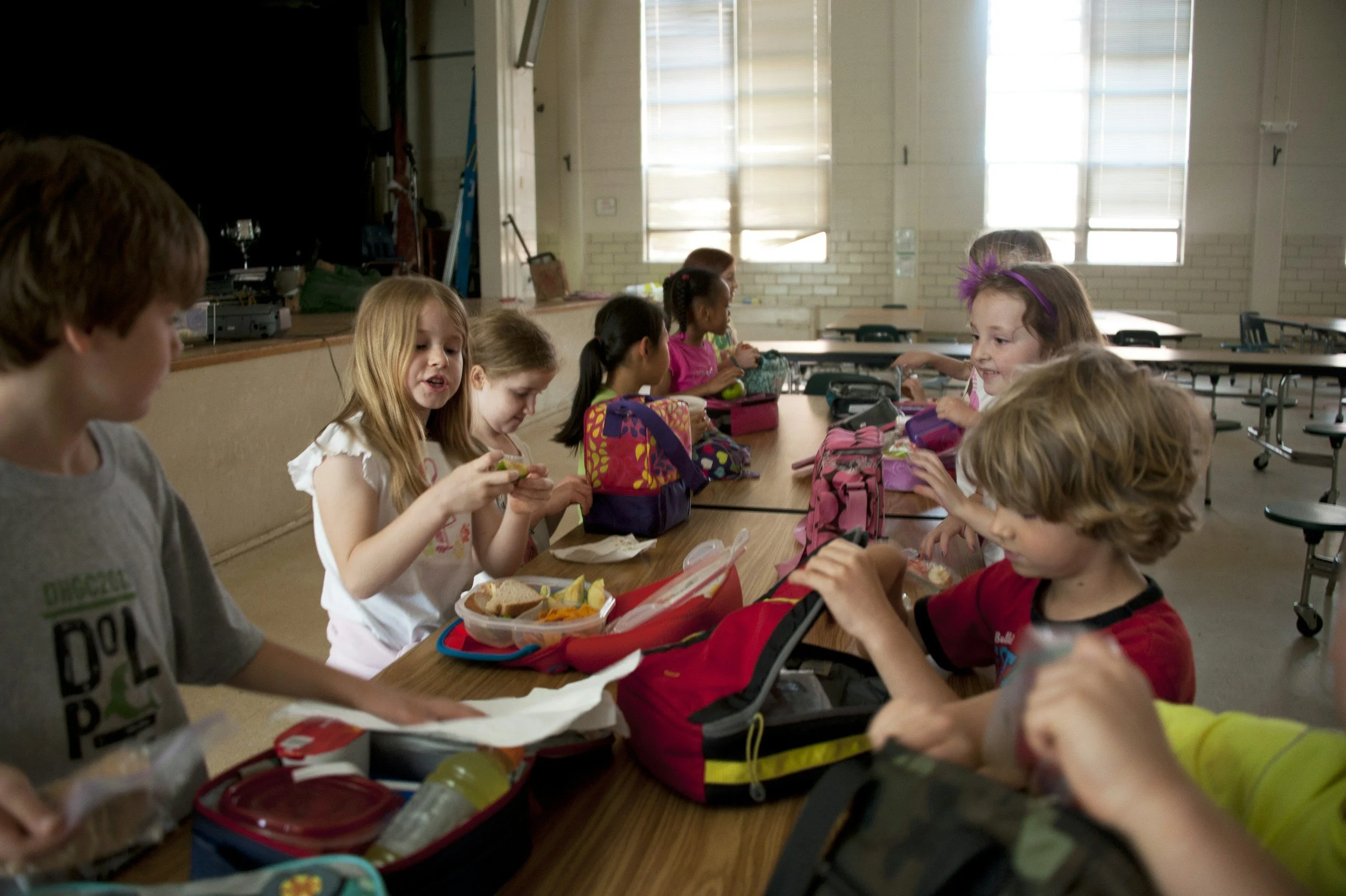
Lunch is the one meal in this whole lineup you don't fully control, and that's okay. If your kid eats school lunch, the cafeteria menu is what it is; some days it'll hit the PFC3 mark, some days it'll be mostly carbs with a side of "we'll see." You can't micromanage the lunch line, and you don't need to try.
What you can control is packing lunch yourself when you want that PFC3 guarantee. A turkey and cheese roll-up with whole-grain crackers and grapes covers all three bases easily. Turkey and cheese for protein and fat, crackers and grapes for the carb side. Or go with a thermos of chili loaded with beans and ground beef alongside some sliced cucumber, which brings protein, fat, and carbs all in one cozy container. Either way, a packed lunch means one less meal left up to chance.
Meal 4
This is the big one — the after-school meal that can genuinely make or break the rest of the evening. Kids come off a full day of school running low on fuel, and if this meal is just crackers or a granola bar, you're setting up a rough few hours. Try apple slices with peanut butter and a handful of cheese cubes. The peanut butter and cheese bring protein and fat, the apple brings the carb, and the combination keeps energy level and steady rather than spiking and crashing right as homework time hits.
Meal 5
Dinner is where you can go a little more expansive. Think grilled chicken, roasted sweet potatoes, and steamed broccoli with olive oil drizzled on top. Chicken is your complete protein, sweet potatoes bring the carb, and the olive oil covers the fat. It's a meal that feels like a real sit-down dinner while still hitting every part of the PFC3 formula.
Meal 6
Yes, a meal after dinner is allowed. Encouraged, even, especially for kids who eat dinner on the earlier side or who have a later bedtime. Something like a small bowl of cottage cheese with sliced peaches keeps blood sugar steady overnight instead of letting it dip and disrupt sleep. Cottage cheese covers protein and fat, and the peaches bring a gentle dose of carbs to close out the day.
The Real Win Here
None of this requires fancy ingredients or a chef's degree. It just requires thinking in threes: protein, fat, carb, every three hours. Once it becomes a habit, you'll notice the difference almost immediately; fewer meltdowns, fewer "I'm starving" ambushes, and a kid who actually has the energy to get through homework, practice, and everything else the afternoon throws at them.
Fueling your kids well doesn't have to be complicated. It just has to be consistent. And with PFC3, that’s exactly what you get!