The Tiny Seed with Big Benefits: Why Dietitians Love Chia Seeds
Sometimes nutrition feels complicated. Superfoods come and go, supplements promise the world, and it can seem like better health requires a long shopping list and a big budget. But every once in a while, a simple, affordable food earns its place in the spotlight, not because it’s a new fad or because some influencer has touted it enough. Sometimes, you get maximum benefits for minimum bucks because something has been tried and true over time.
Enter: chia seeds.
These tiny seeds may be small enough to fit on a spoon, but nutritionally, they carry a lot of weight. Chia seeds have been used for centuries as a source of steady energy, and modern nutrition science helps explain why they’re still worth keeping in your kitchen today.
Why Chia Seeds Deserve Attention
Chia seeds are rich in:
Omega-3 fatty acids
Fiber
Plant-based protein
Antioxidants
That combination matters. Rather than targeting just one aspect of health, chia seeds support several systems in the body at the same time—heart health, blood sugar balance, digestion, and energy regulation. There’s a reason these little guys are considered a superfood, and they certainly deserve a cape for all they do for the body!
Heart Health & Healthy Fats
Omega-3 fats are known for supporting cardiovascular health. They help keep blood vessels flexible and support healthy cholesterol levels, which allows blood to flow more easily to the heart and brain. Many people don’t get enough omega-3s in their daily meals. When you think of omega-3’s, you usually think of fatty fish (salmon, sardines, tuna, etc.) What happens if you don’t eat fish, though? How can you ensure you’re getting those essential nutrients without having to supplement with a capsule full of cod liver oil?
Chia seeds offer a plant-based option that’s easy to add to foods you already enjoy. Sprinkle some on your salad, add it to the crust of your breaded chicken, or mix it in with your rice side dish. Chia seeds will give you the omega-3 boost you need, no fish oil capsules required.
Blood Sugar Balance (and Steadier Energy)
One of chia seeds’ most unique features is what happens when they’re soaked. When mixed with liquid, chia seeds form a gel-like texture. This slows digestion and helps carbohydrates enter the bloodstream more gradually throughout the day, especially if eaten in the morning as one of your first meals.
What does that look like in real life?
Fewer blood sugar spikes
More stable energy
Less of the “crash” that often follows carb-heavy meals
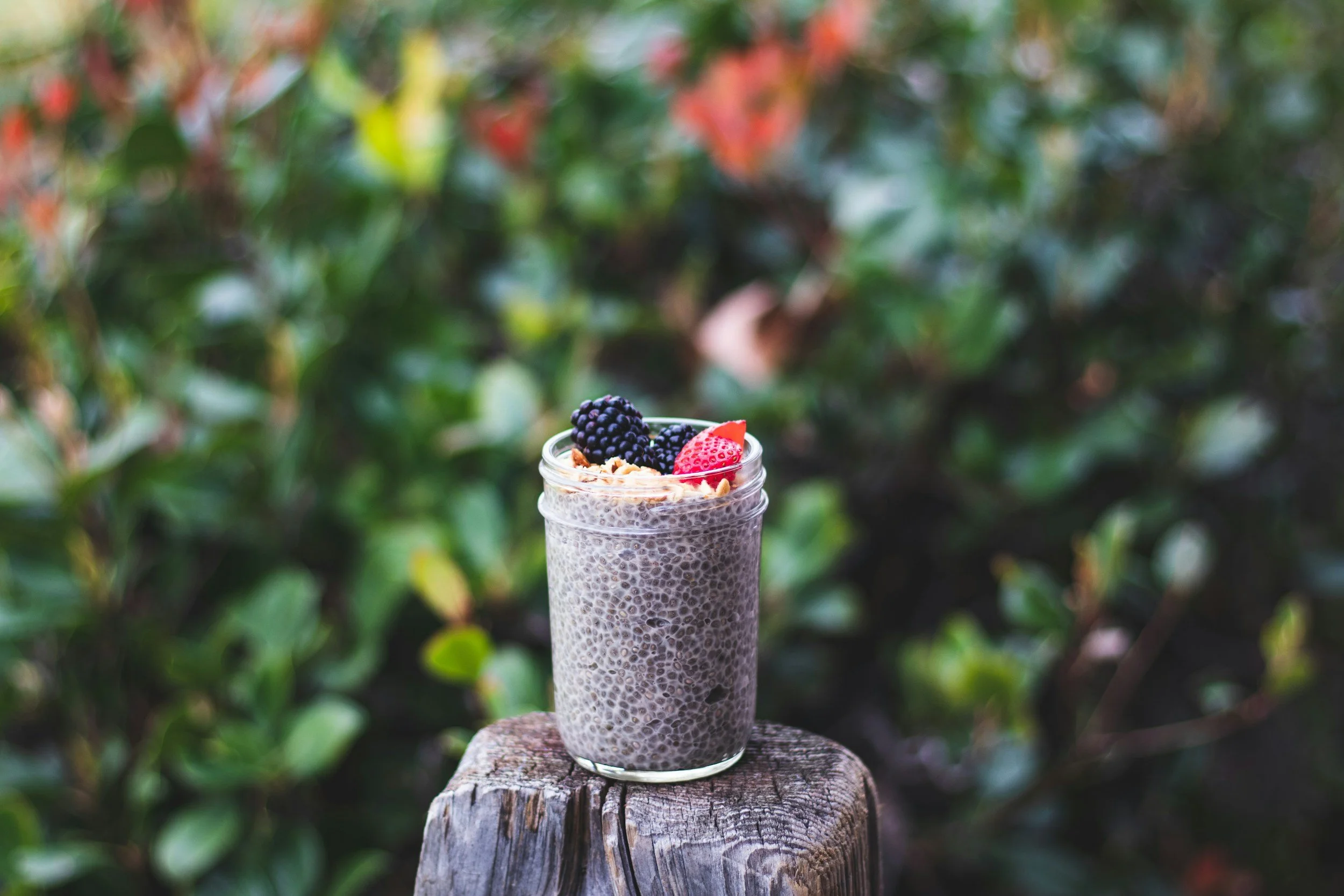
For anyone working on balanced blood sugar, sustained energy, or reduced cravings, this slow-release effect is especially helpful and effective. Add chia seeds to liquid, like dairy or almond milk, with a few nuts and berries and a scoop of greek yogurt and let it sit overnight in your fridge to make a delicious overnight chia seed pudding!
Gut Health: Feeding the Good Stuff
Your gut is home to trillions of bacteria, and those bacteria play a huge role in overall health. From immunity to inflammation to metabolism, your gut biome is one of the most important systems in your body. Fiber is what feeds the beneficial microbes, and chia seeds are packed with it.
When gut bacteria ferment fiber, they produce compounds that help calm inflammation and support the immune system. A well-fed gut tends to be a happier, more resilient one, and that supports long-term wellness!
Food Over Pills (Most of the Time)
Chia seeds are a great example of why whole foods often outperform supplements. They naturally combine fiber, fat, protein, and micronutrients in a form the body knows how to use. Instead of isolating nutrients, chia seeds deliver them together, just as nature intended. That synergy is part of what makes them so effective and satisfying.
How to Eat Chia Seeds (This Part Matters)
To get the most benefit, soaking is key.
Dry chia seeds absorb liquid quickly. When they’re soaked ahead of time, they:
Become easier to digest
Support hydration rather than pulling water from the body
Deliver that slow, steady energy they’re famous for
Think about it: your body is over 80% water. If you’re pouring dry seeds into a glass that’s 80% full of water, it’s going to absorb most of if not all of that water as the seeds rehydrate. It’s the same with your body, and by soaking those little power-house chia seeds first, you’re helping your body remain hydrated and keep all systems running smoothly. If the jelly texture of chia seeds is too much for you, try blending them up in a smoothie post-soak!
How to soak them:
Mix 1–2 tablespoons of chia seeds with about ½–1 cup of liquid (water, milk, or plant-based milk). Let sit for at least 20 minutes, or overnight in the fridge.
Black or White Chia Seeds?
Both are nutritious, but black chia seeds are more commonly studied and tend to have slightly higher antioxidant levels. Choose plain, raw chia seeds without added sugars or flavorings. You can always add your own flavorings and sweeteners to whatever you make with chia, but when it comes to the seeds themselves, the simpler, the better!
Easy Ways to Make Chia a Habit
If you’re looking to add the powerful punch of chia into your daily routine, it’s easier than you might think! Give one of these a try during your next few meals and see if you feel a difference!
Stir soaked chia into yogurt or kefir for a gut-friendly combo
Make overnight chia pudding with almond or dairy milk
Blend into smoothies for added fiber and staying power
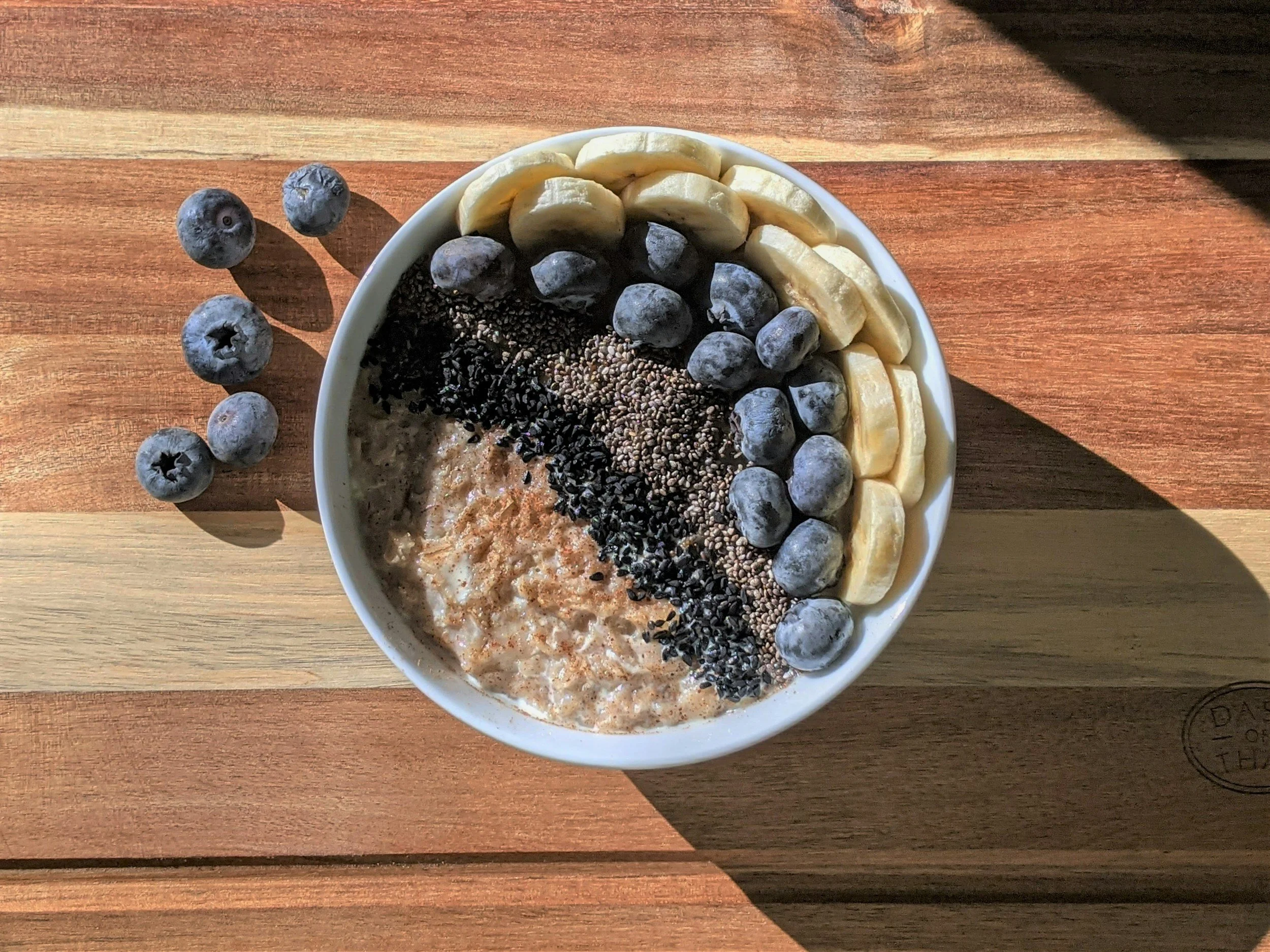
Add to oatmeal or porridge after soaking
Pro tip: chia-based breakfasts tend to be especially filling, which can naturally support appetite regulation and help reduce reaching for those empty-calorie foods later in the day!
The Big Picture
No single food is a magic solution—but chia seeds are a powerful tool. When eaten consistently, they support heart health, digestion, blood sugar balance, and sustained energy, all with minimal effort.
Small habits, practiced daily, add up. Adding soaked chia seeds to your routine isn’t about chasing longevity; it’s about supporting your body today so you can feel better, stronger, and more energized over time.
Sometimes, the most impactful nutrition choices really are the simplest ones!