Drink Up: Your Summer Guide to Staying Hydrated
Summer is officially here, and while that means beach days, backyard barbecues, and longer evenings, it also means your body is working overtime to keep you cool. One of the simplest and most powerful things you can do for your health this season - and honestly, every season - is to stay well hydrated. So grab your water bottle, get comfortable, and let's talk about why hydration is your best friend all year long, and an absolute must when the temperatures start climbing.
Why Hydration Matters More Than You Think
Your body is roughly 55%-60% water, which means almost everything it does depends on having enough of it. We are talking digestion, circulation, temperature regulation, joint lubrication, nutrient transport, and even brain function. When you are even mildly dehydrated, you might notice brain fog, fatigue, headaches, or a general "blah" feeling that you cannot quite put your finger on. Sound familiar? Chances are, a big glass of water would have helped.
Staying hydrated is not just a summer thing. Through the cooler months, indoor heating, exercise, caffeine, and alcohol can all quietly chip away at your fluid levels without you realizing it. But summer brings an extra challenge: heat. When temperatures rise, your body sweats more to keep you cool, which means you are losing fluid and electrolytes faster than usual. What you need to drink in a mild spring is simply not enough to cover a hot July afternoon.
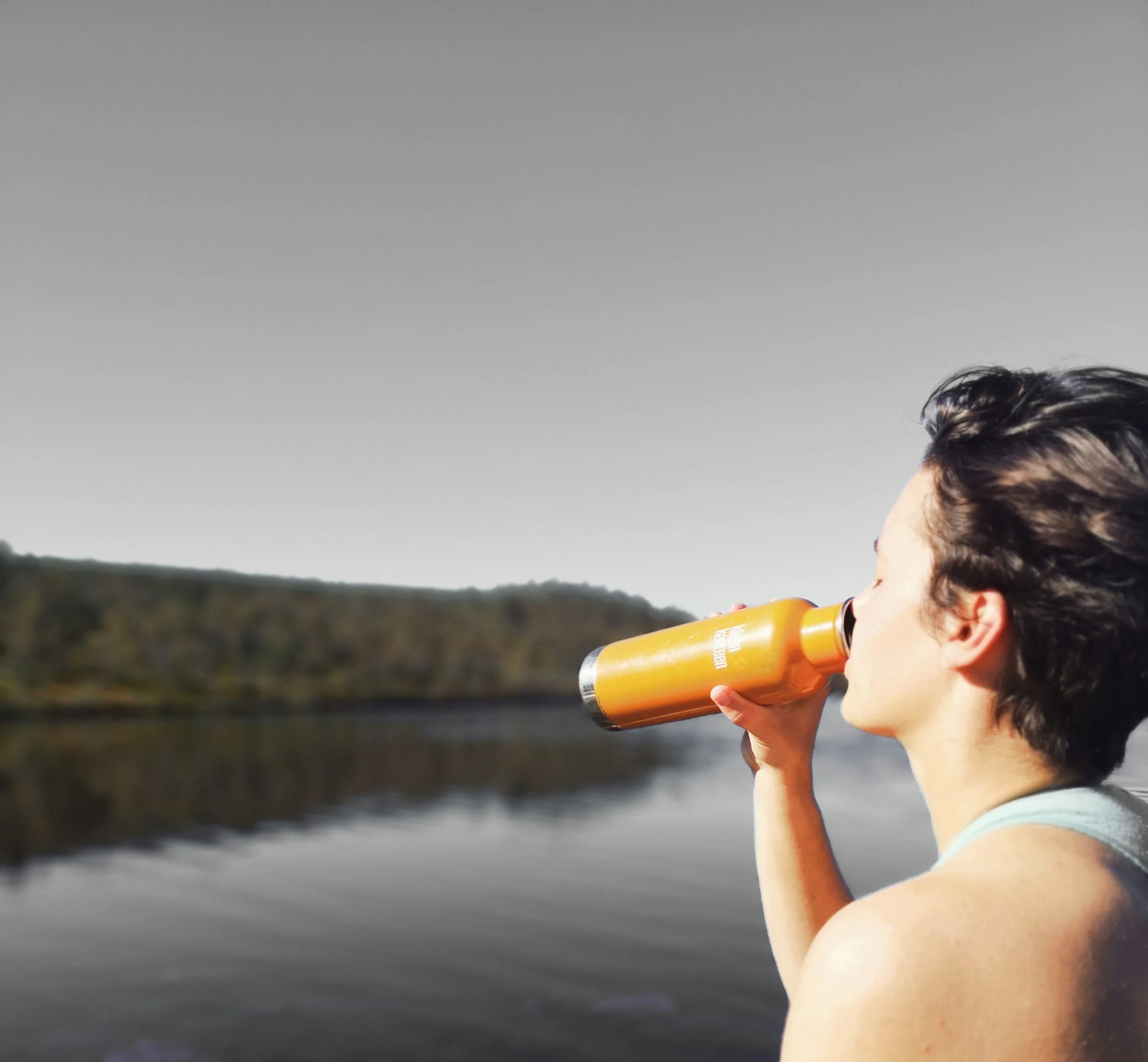
Hydration and the PFC3 Method: A Perfect Partnership
If you follow the PFC3 method - eating balanced combinations of Protein, Fat, and Carbohydrates every three hours - you already know how much this approach supports stable energy, steady blood sugar, and a well-functioning metabolism. What many people do not realize is that water is the quiet engine behind all of it.
Here is why hydration is essential to getting the most out of PFC3:
Protein needs water to do its job. Your body uses water to break down and process protein. Without adequate hydration, digestion slows down, and your muscles cannot absorb and use those amino acids efficiently. If you are eating your protein every three hours but skimping on fluids, you are leaving results on the table.
Carbohydrates are stored with water. Glycogen - the stored form of carbohydrate that fuels your energy between meals - is held in your muscles and liver alongside water molecules. Staying hydrated means your body can access that fuel more readily, keeping your energy levels smooth and consistent throughout the day.
Fat metabolism depends on fluid. Your liver, which is the primary organ responsible for metabolizing fat, requires plenty of water to function well. A dehydrated liver is a sluggish liver, which means fat metabolism takes a backseat.
Every three hours eating means every three hours hydrating. Think of your PFC3 meals as built-in reminders to check in on your water intake, too. Pair a glass of water with each meal, and you will naturally build a hydration rhythm into your day.
How Much Do You Actually Need?
The old "eight glasses a day" rule is a reasonable starting point, but it is not a one-size-fits-all answer. A general guideline is to aim for half your body weight in ounces of water per day — so if you weigh 150 pounds, that is about 75 ounces, or roughly 9 to 10 cups.
In the summer, bump that up. Add an extra 8 to 16 ounces for every 30 minutes of outdoor activity or exercise in the heat, and more if you are sweating heavily. A helpful real-world check: look at the color of your urine. Pale yellow means you are doing great. Dark yellow is a signal to drink up. Clear can actually mean you are overdoing it, so somewhere in that light lemonade range is the sweet spot.
Fun Ways to Stay Hydrated All Summer Long
Plain water is king, but it does not have to be boring. There are plenty of ways to hit your hydration goals while keeping things interesting:
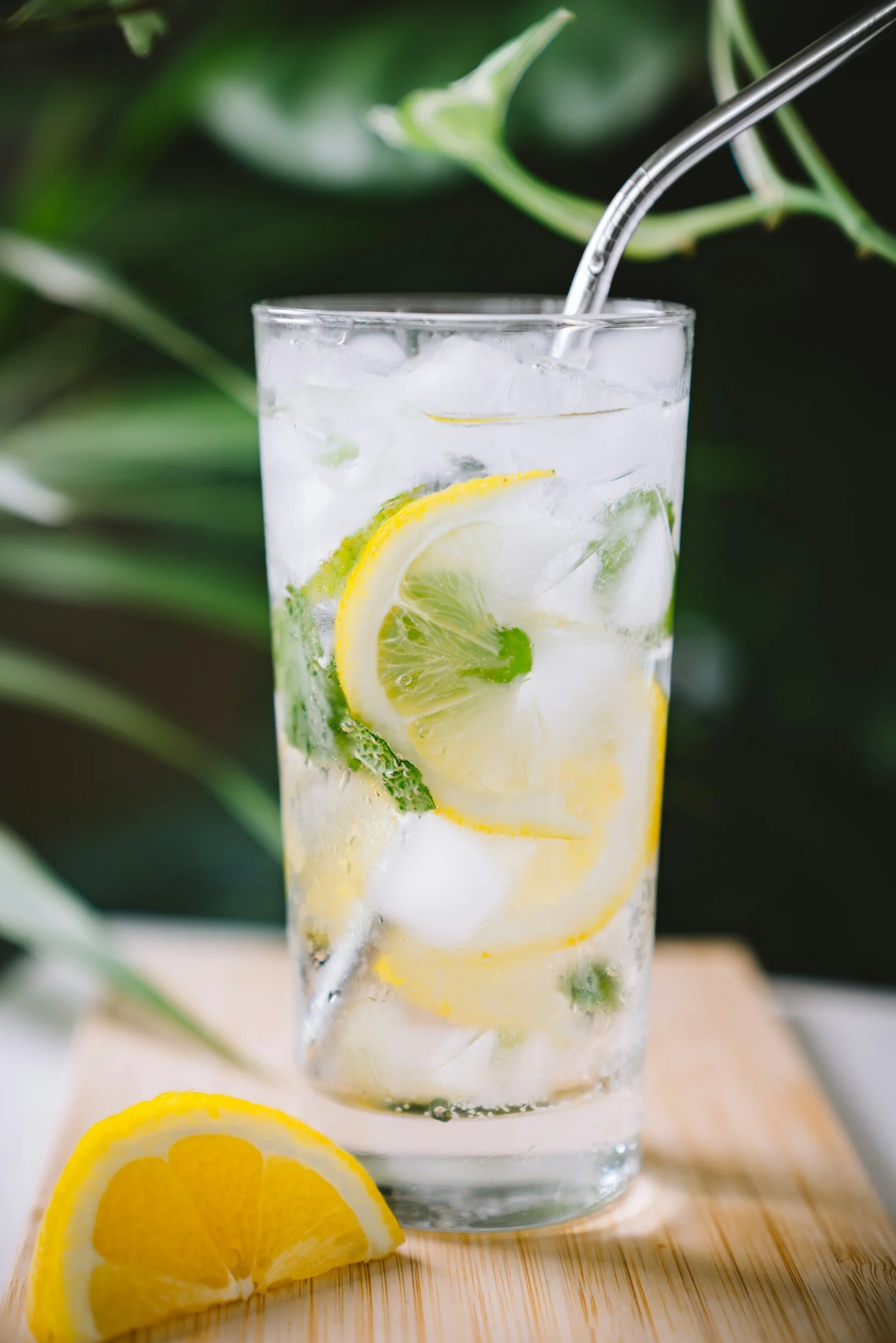
Water With a Twist
Add sliced cucumber, fresh mint, lemon, lime, orange, or berries to a pitcher of cold water. Let it sit for a few hours in the fridge and you have a refreshing infused water that feels a little fancy with zero extra effort.
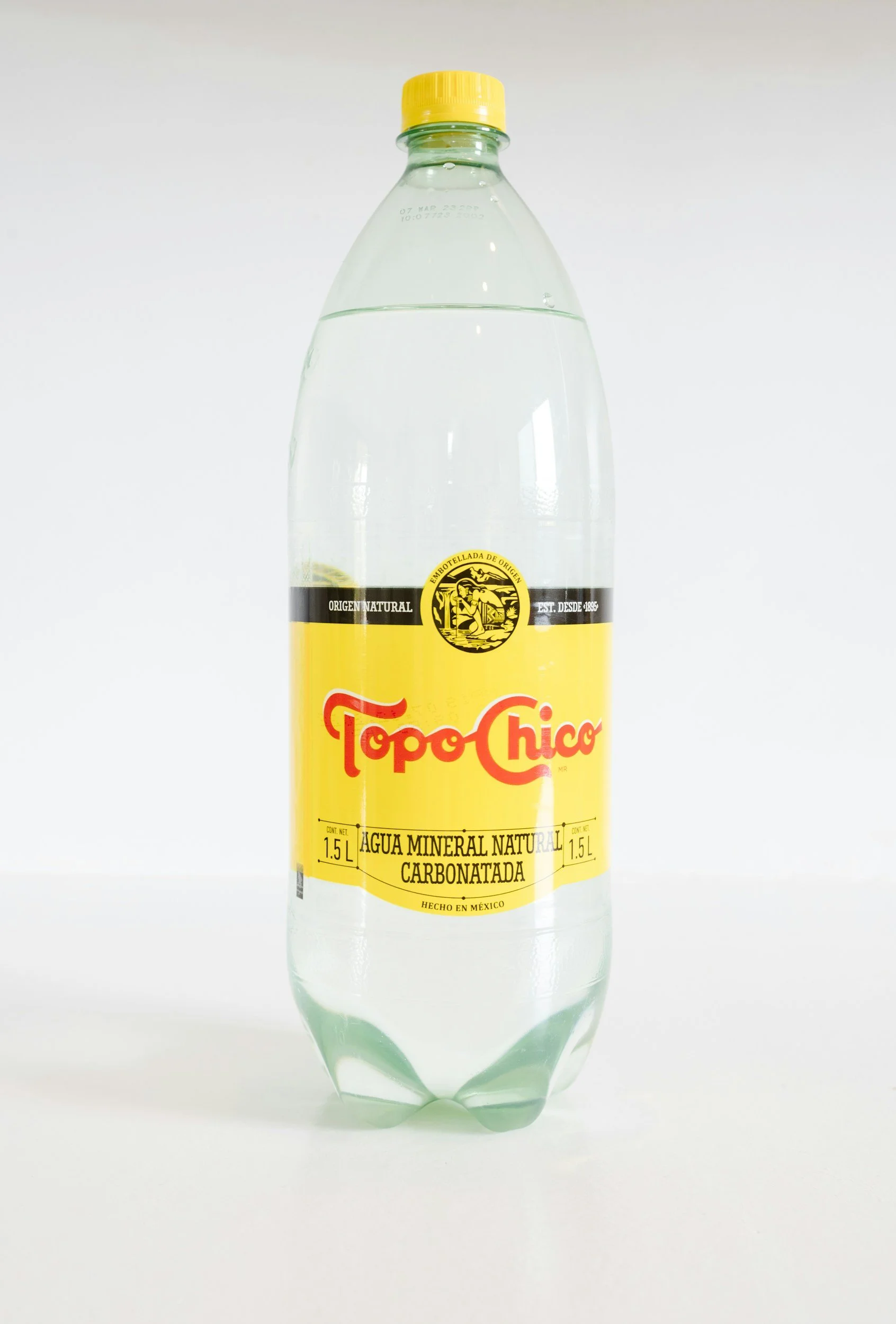
Sparkling water
If you love the fizz of soda, sparkling water is a fantastic alternative. Plain or lightly flavored, it counts toward your daily fluid intake just like still water does.

Herbal iced teas
Brew a big batch of caffeine-free herbal tea - hibiscus, mint, and chamomile are all great summer choices - and keep it cold in the fridge. Naturally sweet options like licorice root or berry blends need no added sugar at all.
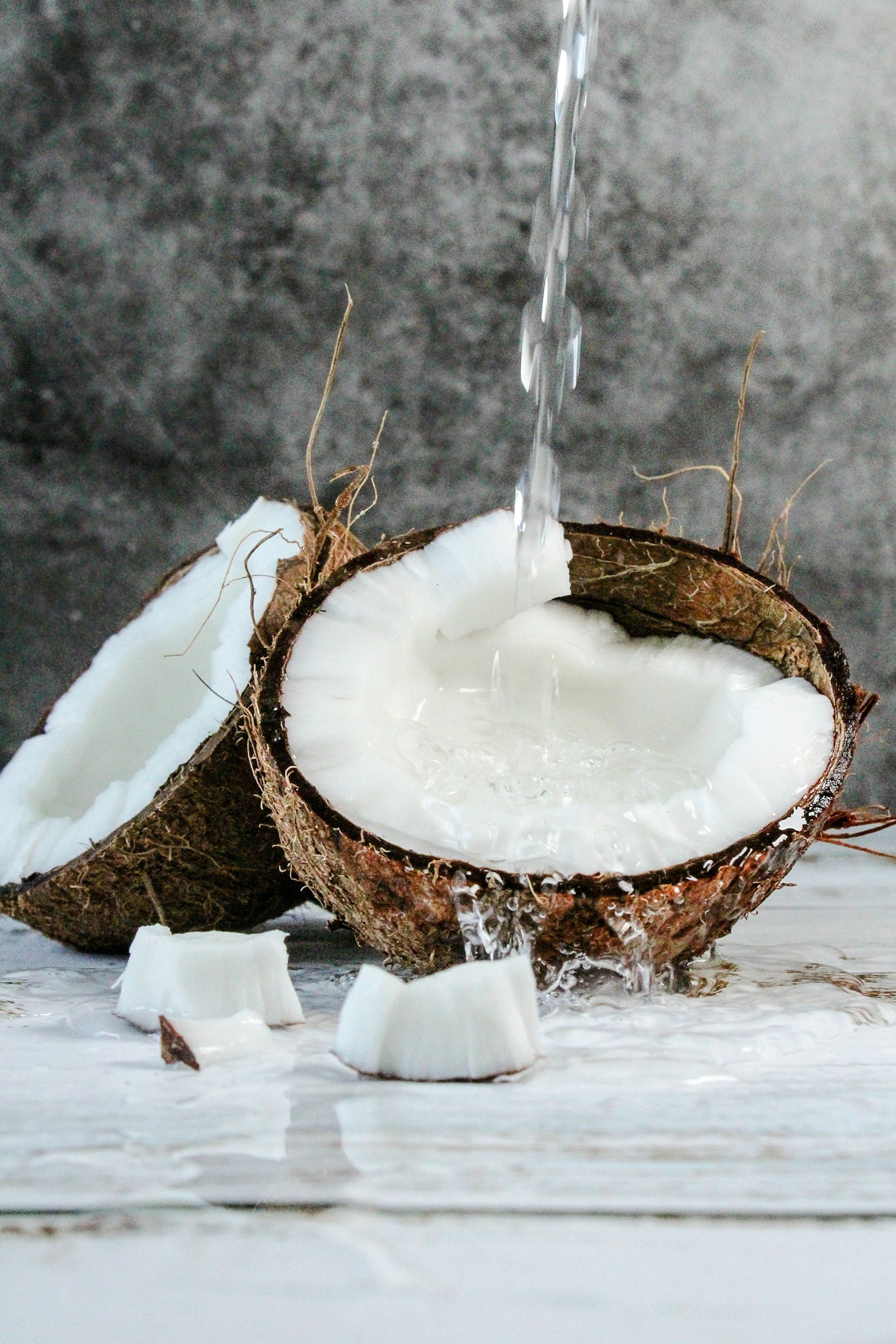
Coconut water
A natural source of electrolytes, including potassium and magnesium, coconut water is a great option after exercise or a sweaty day outside. Just check the label for added sugars and look for pure, unsweetened varieties.
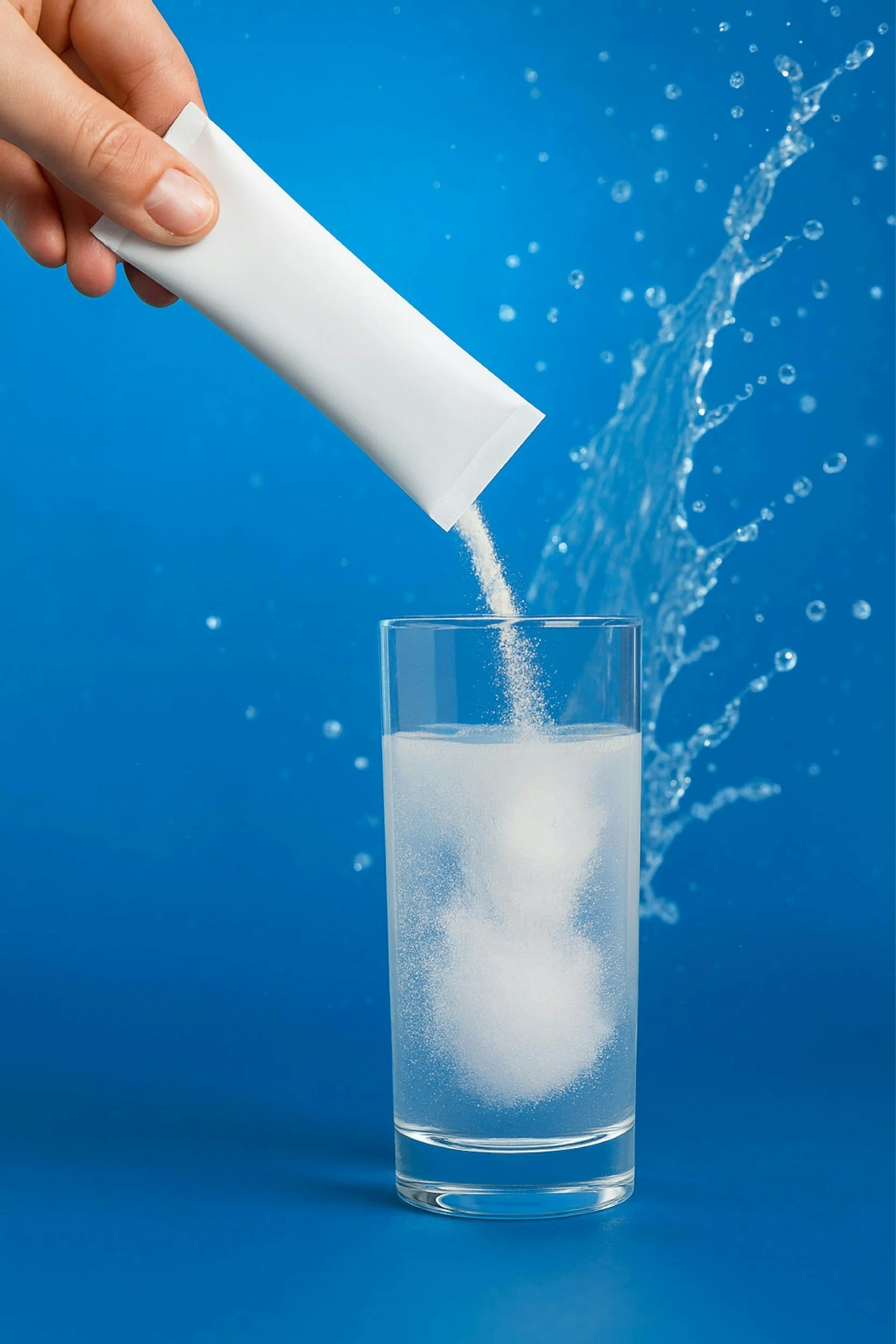
Electrolyte drinks
When you sweat a lot, you lose more than just water — you also lose sodium, potassium, and magnesium. A quality electrolyte drink or powder (look for low sugar options) can help you replenish what you have lost, especially after long workouts or time spent in the heat.
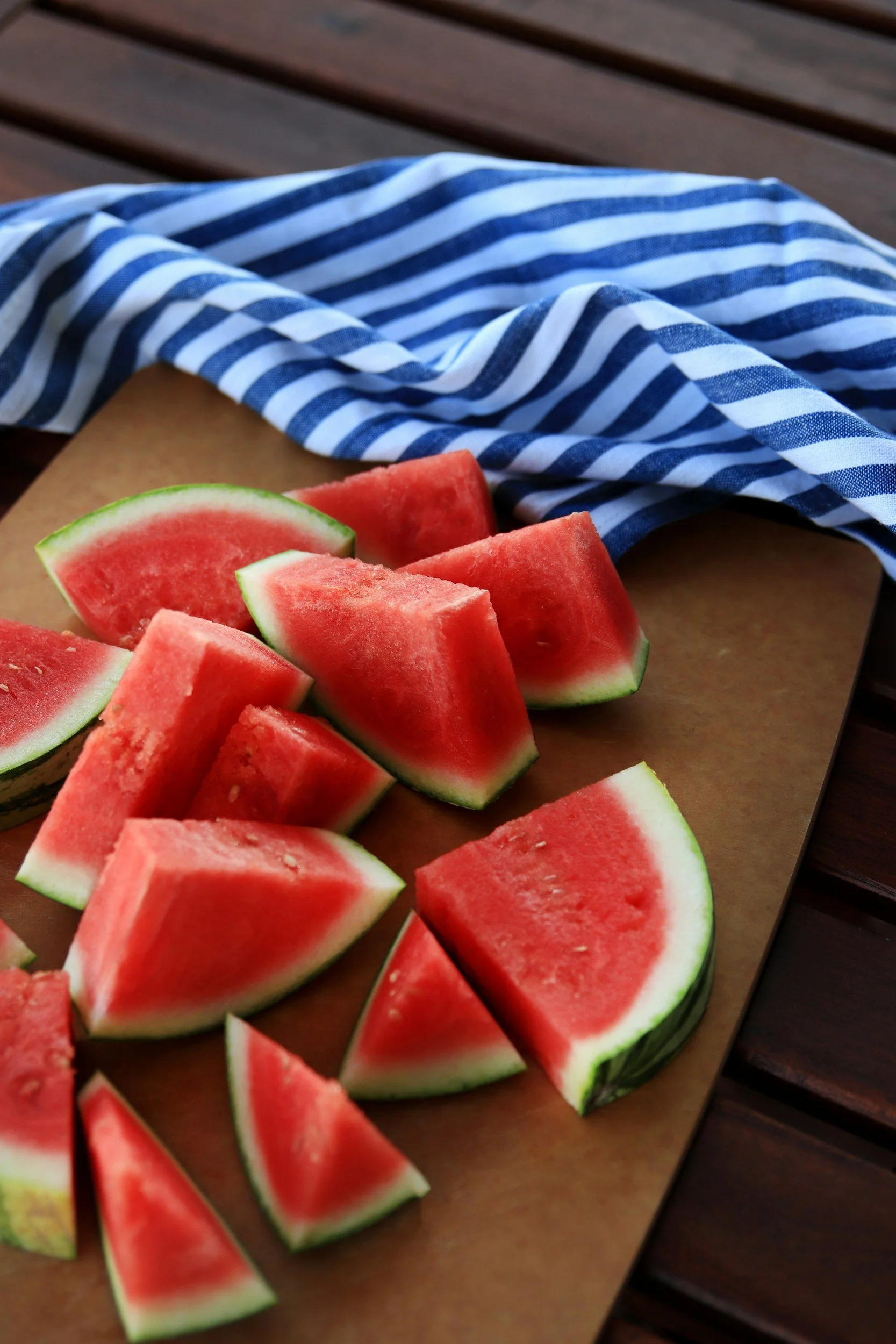
Eat your water
A significant amount of your daily fluid intake can actually come from food. Cucumbers, watermelon, strawberries, celery, oranges, lettuce, and zucchini are all 90% or more water by weight. Loading up on these during summer is a delicious, effortless way to stay on top of your hydration.
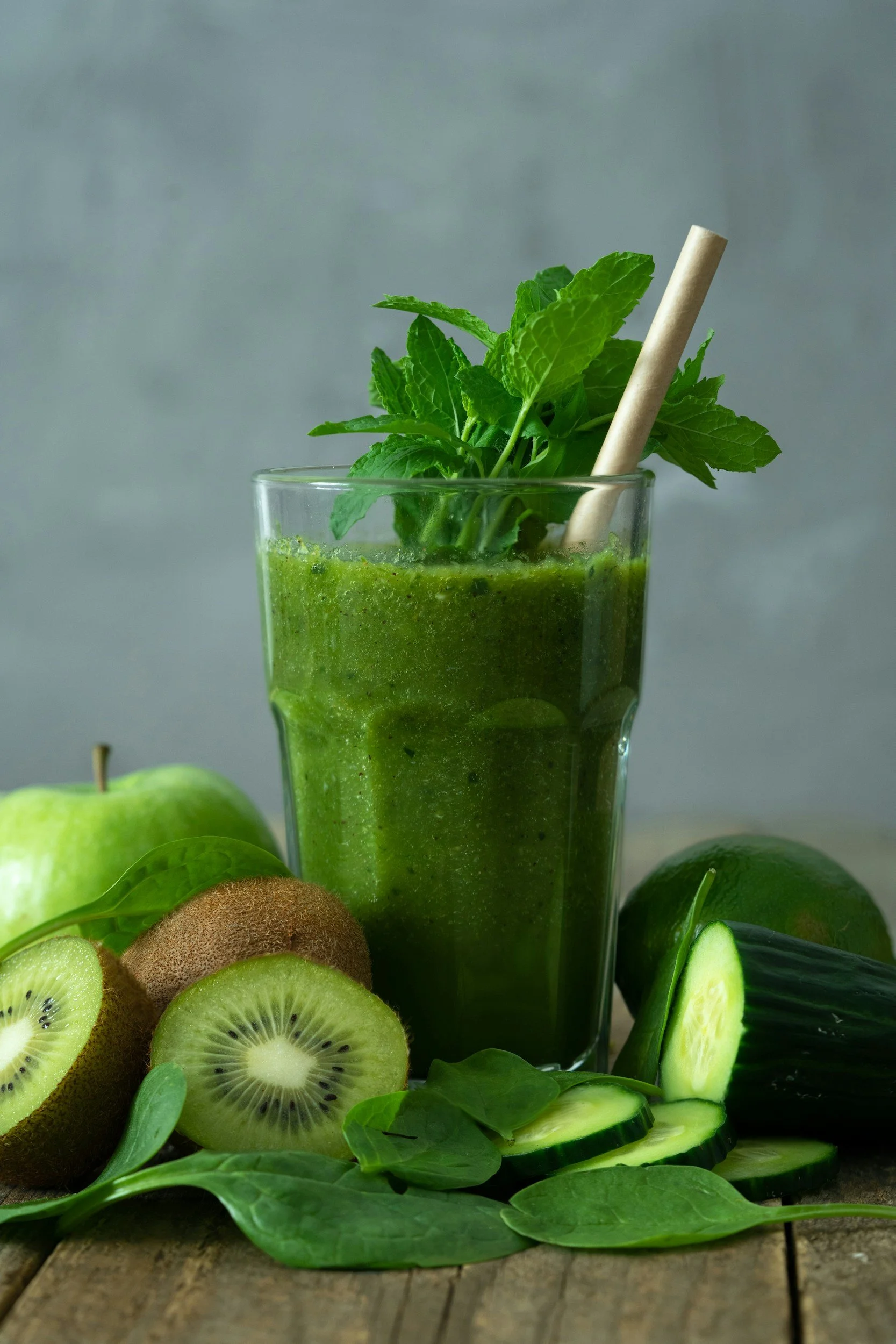
Smoothies
A well-balanced smoothie made with water or coconut water as a base, some fruit, greens, and a protein source is a hydrating and PFC3-friendly way to get fluids in - especially on mornings when eating a full meal feels like too much.
Signs You Might Be Falling Behind
Dehydration can sneak up on you, especially when you are having fun outdoors and not paying attention. Watch for these common signs:
- Feeling thirsty (by the time you feel thirsty, you are already mildly dehydrated)
- Headache or dizziness
- Fatigue or sluggishness
- Difficulty concentrating
- Dry mouth or dry skin
- Muscle cramps
In severe cases, which can happen faster than you think in extreme heat, dehydration can become dangerous. If you or someone with you is experiencing confusion, rapid heartbeat, very dark urine, or no urination for an extended period, seek medical attention right away.
A Few Simple Habits to Build
You do not have to overhaul your entire routine to stay better hydrated. A few small habits go a long way!
Start every morning with a full glass of water before your coffee. Keep a reusable water bottle with you at all times so drinking is as easy as picking it up. Set a gentle reminder on your phone if you tend to forget. Pair your PFC3 meals with a glass of water as a built-in cue. And when you are outdoors in the summer sun, make a habit of drinking before you feel thirsty.
The Bottom Line
Hydration is not a trend or a hack - it is a fundamental piece of the wellness puzzle. When you are well hydrated, your body digests food better, burns fuel more efficiently, recovers from exercise faster, and simply feels better from the inside out. Pair that with a consistent, balanced approach to eating like PFC3, and you are setting yourself up for a summer that feels as good as it looks.
So drink up, enjoy the sun, and take care of yourself out there. Your body will thank you for it.